Insights

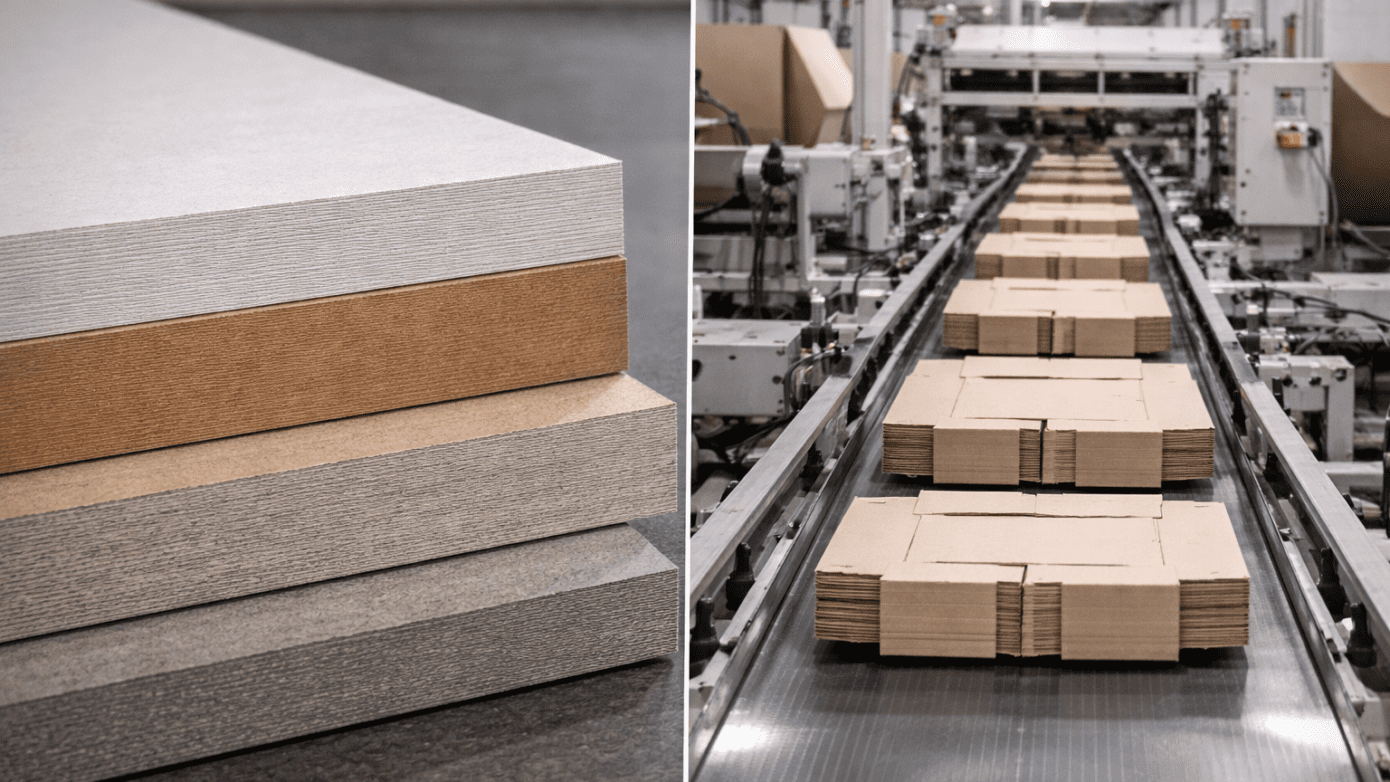
packaging quote paperboard sheets and chipboard folding cartons running on a production line showing material selection and manufacturing process behind packaging quote

What Actually Goes Into a Packaging Quote (That No One Explains)

What Actually Goes Into a Packaging Quote (That No One Explains) 1536 1024 NY Folding Box Company

Most buyers think a packaging quote is just material + price.

It’s not.

What looks like a simple number on paper is the result of multiple operational decisions being made behind the scenes. If those decisions are wrong, the price might look good upfront but create problems later in production, packing, and distribution.

Here’s what’s actually being evaluated when a quote is built correctly.


1. Board Selection Is Not Just “Material”

The first decision is not just what material to use. It is how that material behaves in the real application.

Different paperboard grades offer different performance characteristics. Virgin kraft based boards are built for strength. Recycled chipboard is built for consistency and cost control.

The mistake is assuming stronger always means better. In many food service and bakery applications, the requirement is not maximum strength. It is repeatability, clean folding, and stable stacking.

When the material is overbuilt, you are paying for performance you are not using.   Thus the importance of the packaging quote.


2. Thickness Impacts More Than Strength

Board thickness is not just a durability decision. It affects how the carton runs, folds, and stacks.

Most folding carton applications fall within a relatively narrow range, typically around 0.018 to 0.024 inches depending on the design

Going thicker increases rigidity, but it can also:

  • Slow down folding speeds

  • Increase pressure on scoring and creasing

  • Reduce packing efficiency

Going thinner saves cost, but if pushed too far, it creates instability during filling and transport.

The correct gauge is not the strongest option. It is the one that runs clean and holds shape through the full cycle.


3. Run Speed and Repeatability Drive Real Cost

A quote is heavily influenced by how efficiently the job can run.

Questions that matter:

  • Does the board feed consistently?

  • Does it hold registration?

  • Does it fold clean without cracking?

If the answer is no, the job slows down. That creates:

  • More waste

  • More labor time

  • Less predictable output

Two quotes may look similar on paper, but one is built around a clean, repeatable run and the other is built around risk.


4. Waste Is Quiet but Expensive

Every job includes waste. The question is how much.

Waste comes from:

  • Setup sheets

  • Registration adjustments

  • Material inconsistency

  • Operator intervention

Higher variability in material or design increases waste percentages. That cost is either built into the quote or shows up later as inefficiency.

Most buyers never see this line item, but it is always there.


5. Packaging Does Not End at the Factory

A proper packaging quote considers what happens after production.

  • How do the cartons stack on a pallet?

  • Do they hold shape during transport?

  • Are they easy for staff to assemble and use?

If the answer is no, the cost shows up in labor, damaged product, or slower throughput.

This is where material and structure decisions either prove correct or fail.


6. The Lowest Price Is Not Always the Lowest Cost

A packaging quote is not just a number. It is a reflection of how a job is expected to perform.

A lower price built on unstable assumptions often leads to:

  • Re-runs

  • Operational slowdowns

  • Inconsistent output

A well-built quote aligns material, thickness, and production with the actual use case.

That is where consistency and cost control come from.


Closing

Most packaging issues do not start on the production floor.

They start at the packaging quote stage.

When the quote is built around real operating conditions, everything downstream becomes easier to manage.
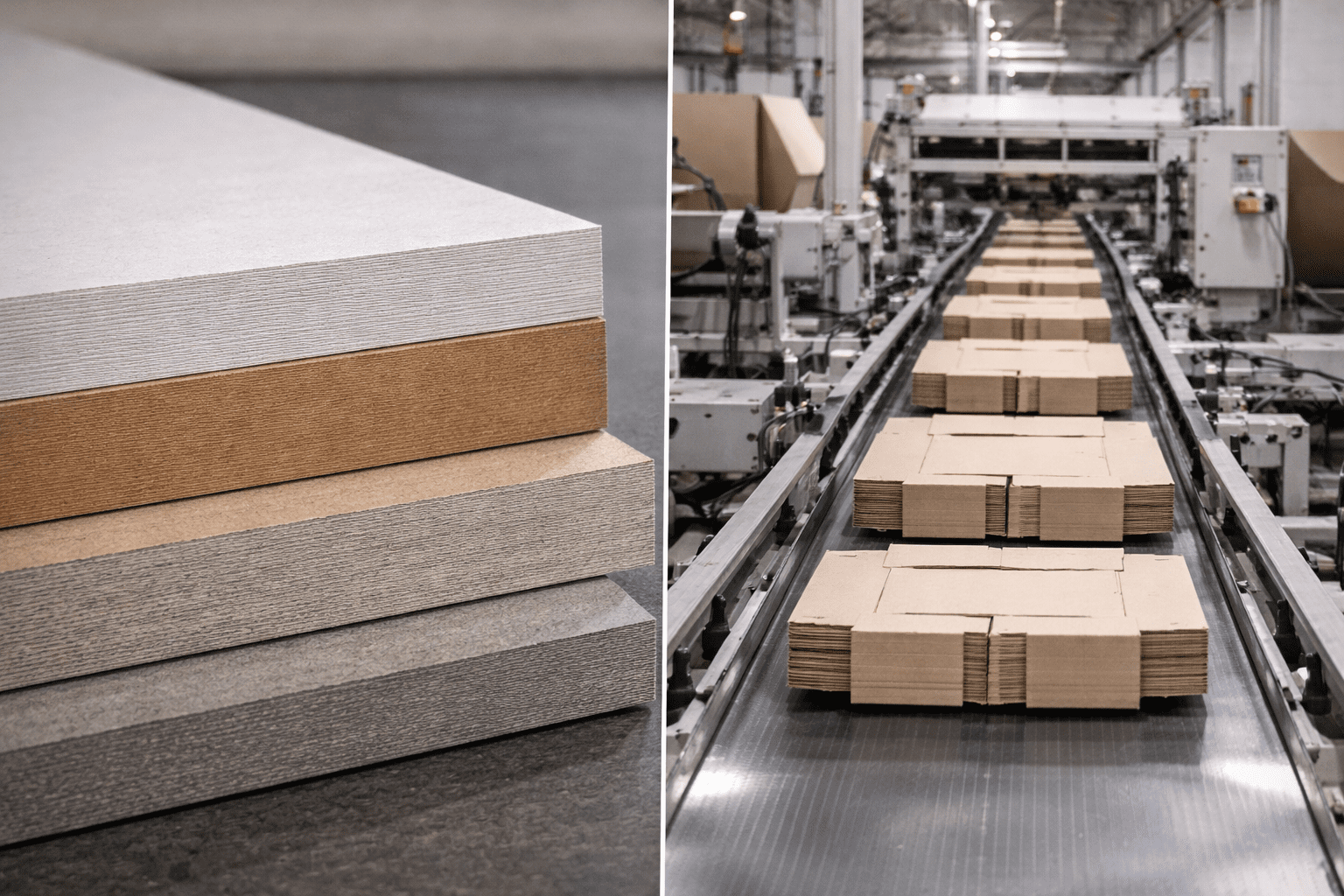
packaging quote paperboard sheets and chipboard folding cartons running on a production line showing material selection and manufacturing process behind packaging quote

Paperboard selection and production efficiency both play a role in how packaging quotes are built and how cartons perform in real operations
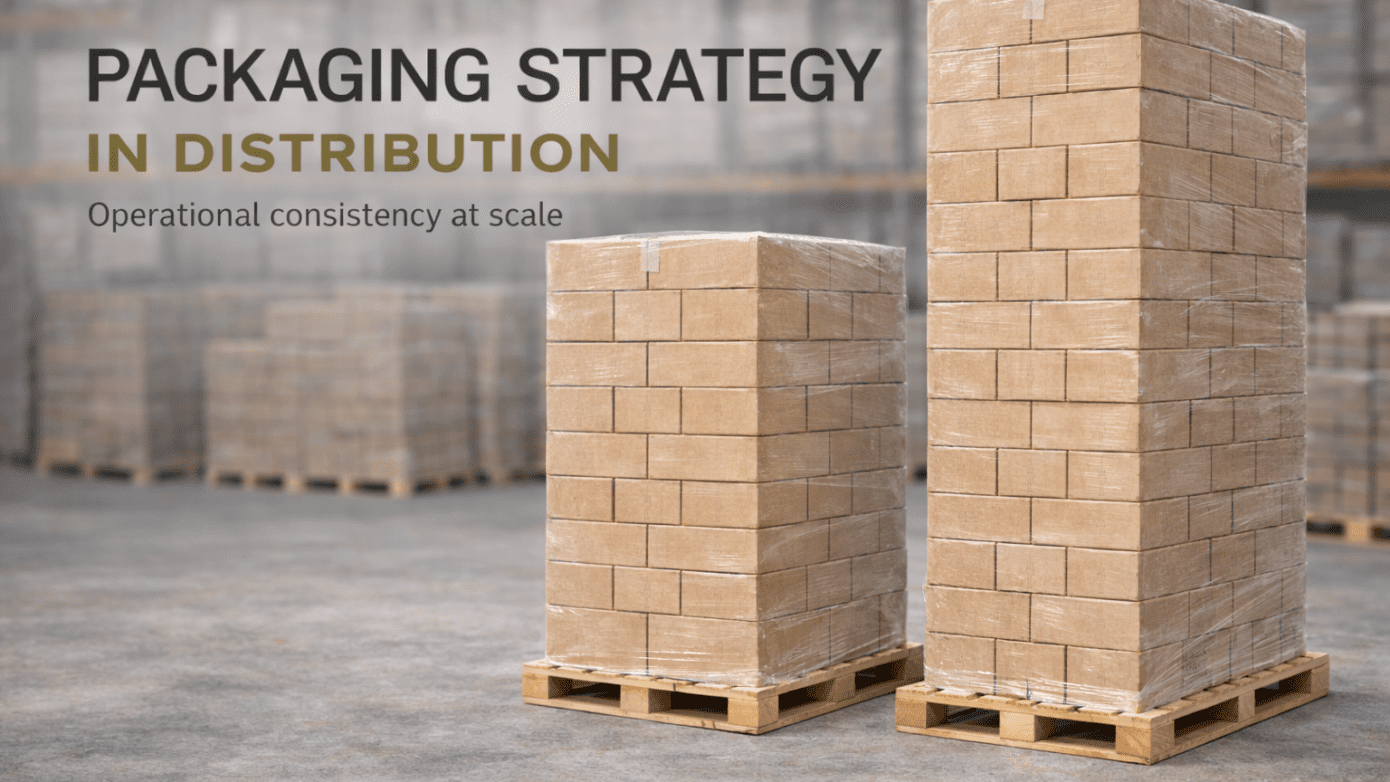
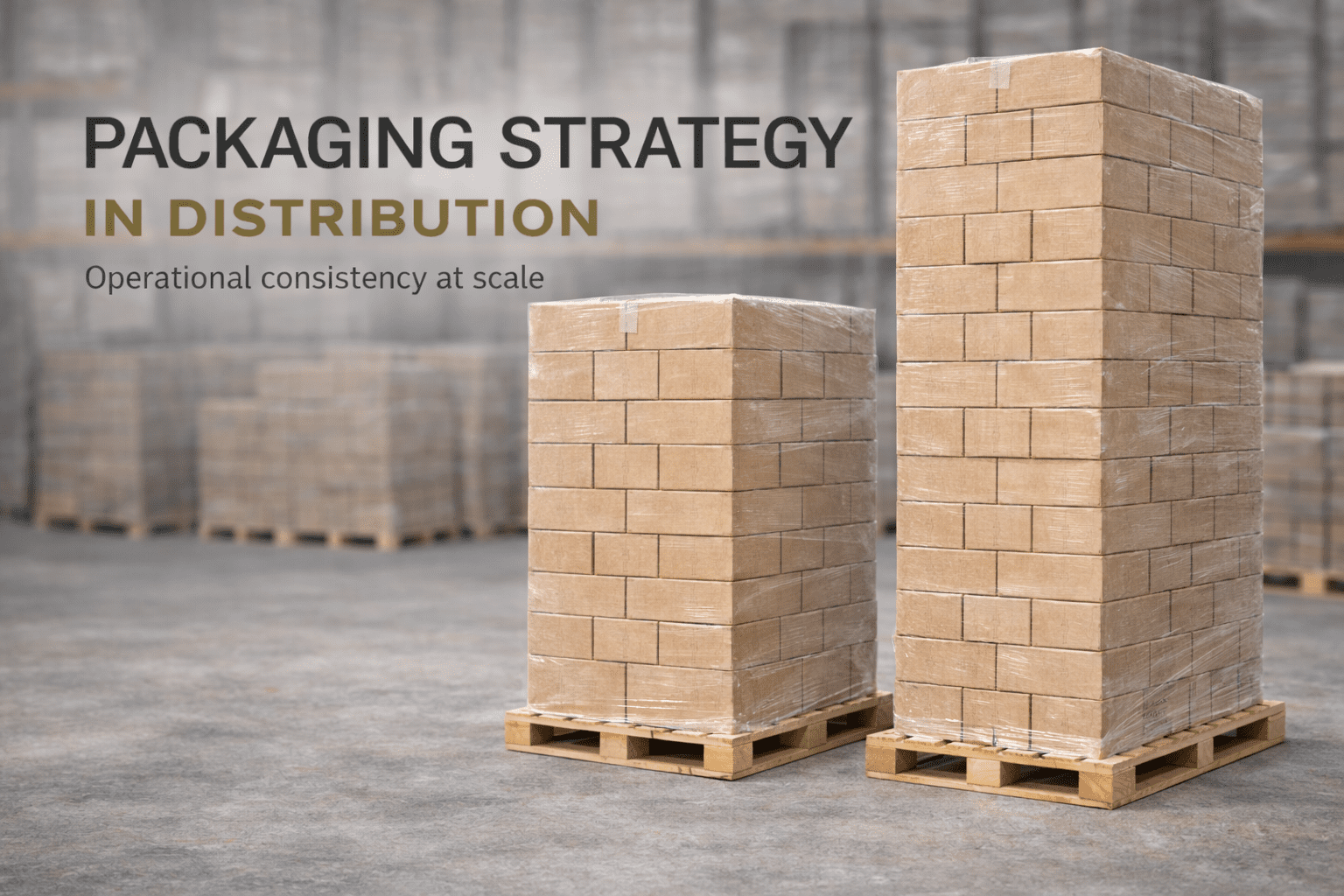
Two seven foot tall pallets stacked with warm kraft paperboard master cartons wrapped in clear stretch film inside a warehouse, ready for distribution.

Why Packaging Strategy Is Getting More Attention in Distribution

Why Packaging Strategy Is Getting More Attention in Distribution 1536 1024 NY Folding Box Company

Packaging Strategy in Distribution Is No Longer a Background Decision

For years, packaging in distribution was treated as a necessary input rather than a strategic lever.

That mindset is shifting on the Packaging Strategy Distribution.

As operational margins tighten across foodservice and grocery distribution, packaging strategy in distribution is being evaluated alongside labor efficiency, freight optimization, and inventory velocity. The question is no longer simply whether the carton works. It is how it influences the system.

Packaging Influences the Entire Operation

Packaging decisions affect more than presentation. They directly impact:

Warehouse cube utilization
Pick and pack speed
Freight density and load efficiency
Inventory turns
Forecast stability
Supplier reliability

When systems are under pressure, small inefficiencies compound quickly. A case configuration that wastes space or a carton that slows picking speed may not appear significant individually, but across volume programs the impact becomes measurable.

Packaging moves from background to foreground when performance is quantified.

Standardization Protects Margin

Distributors increasingly favor packaging formats that perform consistently across multiple customers and applications.

Standardization reduces variability, and reduced variability produces:

Cleaner demand forecasting
Faster replenishment cycles
Lower risk of obsolete inventory
Simplified purchasing decisions

Paperboard folding cartons often remain central to this strategy because they balance structural reliability with repeatability. Predictable inputs produce predictable outputs.

Reliability Outperforms Novelty

Inconsistent lead times, material substitutions, or quality variation introduce downstream instability.

Operational teams now evaluate packaging partners based on:

Manufacturing continuity
Material consistency
Lead time stability
Process discipline

In distribution, repeatability is more valuable than novelty. Programs scale when inputs remain stable.

Sustainability Must Align With Operations

Environmental expectations remain part of procurement discussions. However, implementation has matured.

Sustainability initiatives that introduce operational friction rarely survive scaling.

Recycled paperboard aligns well with distribution requirements because it supports environmental objectives while maintaining structural performance and supply consistency.

Operational alignment determines long-term adoption in Packaging Strategy Distribution

Why Packaging Strategy in Distribution Is Getting More Attention

Packaging strategy in distribution has always mattered. What has changed is measurement.

Freight is analyzed. Labor is measured. Inventory velocity is tracked. As those systems become more disciplined, packaging performance becomes easier to quantify.

When operational pressure increases, reliable components become strategic assets.

In distribution, packaging is one of those components.

Two seven foot tall pallets stacked with warm kraft paperboard master cartons wrapped in clear stretch film inside a warehouse, ready for distribution.Packaging Strategy Distribution

Back to top